Private Clients, chapter 1 of The Lycan King's Human Mate
They made Brandon partner on a Monday, at the all-hands, with cake.
I’d written half his briefs for three years. I’d also slept beside him for two of them, until he told me a partner-track man couldn’t be seen dating a mediator and moved my toothbrush back to my apartment in a Ziploc bag. I clapped with everybody else. Then the managing partner called me into his office and handed me the file nobody else would touch.
“Treaty dissolution,” he said. “Private clients. They asked for a human.”
That was how I found out werewolves were real: as a punishment.
By Thursday I’d read all of it. In 1826, two packs on the Mississippi had ended a war by marrying an Alpha’s son to a rival Alpha’s daughter, and every generation since had renewed it with another forced marriage. The current couple hated each other. Both packs wanted out. My job was to get them divorced without anybody’s throat getting torn out, in a conference room on the thirty-first floor of a tower in downtown Minneapolis.
I was good at my job. That’s the part Brandon never understood.
For two hours I had them nodding. Property. Territory. Hunting rights on the North Shore. I had the pen in my hand to pass to the bride when the door opened and every person in the room stood up so fast their chairs went over.
All of them. Even the lawyers.
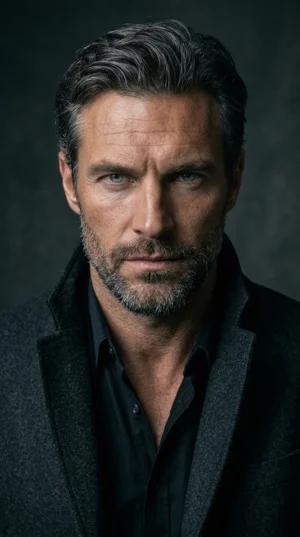
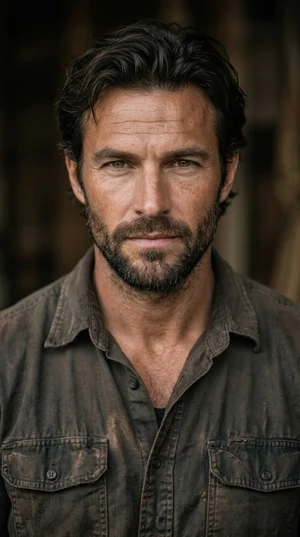
The man in the doorway wasn’t tall so much as heavy, the way a storm is heavy. Dark suit, no tie, gray at the temples, eyes like the lake in January. The treaty needed one more signature to end, I remembered. The king’s.
He looked at the papers. Then he looked at me, and something in his face went very still.
“This hearing is over,” he said. “The only marriage I’m discussing is ours.”
I was the only one still sitting.
I noticed that before I noticed anything else, because noticing who sits and who stands is most of what I do for a living. Eleven people on their feet, four chairs on their backs on the carpet, and me in mine with a firm pen from the supply closet held out across the table like a relay baton nobody was going to take.
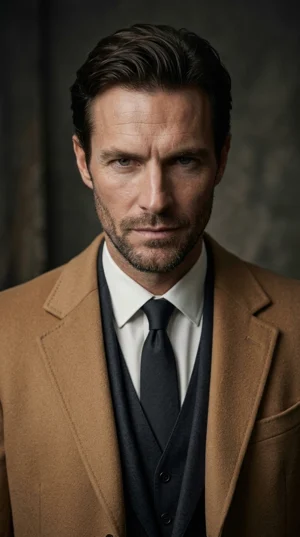
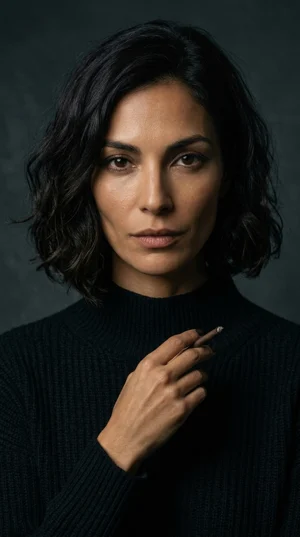
Margaux Duval, the bride, was nearest. She was thirty-four, in a black sweater that cost more than my car payment, and for two hours she’d been rolling an unlit clove cigarette between her fingers as if it were a rosary. She’d stopped. The cigarette had snapped in half and she hadn’t noticed. Across from her, her husband, Torvald Corbin, stood with his big boatbuilder’s hands flat on the table and his head bowed, the way men bow in church when they aren’t sure of the words.
The parents had gone up like the room was on fire. Edith Corbin, Torvald’s mother and Alpha of what the file called the Falls pack, seventy-some, pearls, a face like a closed bank. Bastien Duval, Margaux’s father, Alpha of the Pepin pack, who was missing the last two fingers of his left hand and had spent the morning telling me about the eagles that winter on the open water at Wabasha. Their lawyers, two on each side, who had been rude to me on every prep call. They looked, now, like boys caught smoking behind a barn.
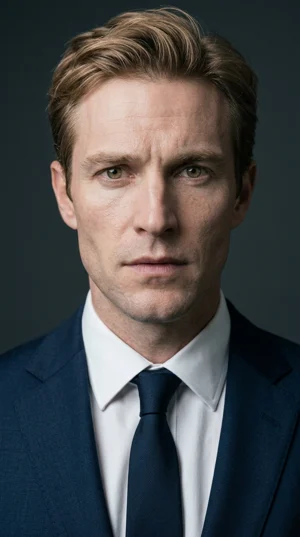
And at the end of the table, Adrian Marrok, who held the king’s proxy and had told me on Tuesday, with a rueful smile, that his great-uncle never came south anymore. Adrian was the only one who’d stood slowly. He had his own fountain pen out, a black lacquered thing, already uncapped, and he’d been about to sign the last page for the king. He was smiling now too. It didn’t reach the pen.
Outside, past the wall of glass, it was four-thirty in January and already night. Snow moved across the lit windows of the tower opposite in long slow sheets. The heating ticked. The room smelled the way it had smelled all afternoon, under the coffee and the dry-erase markers: wet wool and something warmer, wilder, that I had decided on Monday not to think about.
I put the pen down on the agreement. Carefully, so it wouldn’t roll.
“I’m sorry,” I said to the man in the doorway. “You’re interrupting a mediation.”
Nobody breathed. I mean that literally. I could hear the elevator cables in the wall.
“I can see that,” he said.
His voice was low and unhurried, and it went into the room the way cold goes into a house when somebody opens the door: everywhere at once. He hadn’t come in. He was still standing on the threshold with one hand on the frame, as if he’d been stopped there, and he was looking at me with an attention I’d only ever seen on people reading a verdict.
“Then you’ll understand,” I said, “that I need you to either sit down or step out. We’re one signature from done. Everyone, please. Sit.”
Not one of them moved.
They weren’t ignoring me. That was the strange part, the part I’d replay later. Every person in that room was a professional at being in rooms, and every one of them was waiting, the way a dog waits with its eyes on the hand that holds the leash. Not on me. On him.
“Uncle.” Adrian’s voice was warm, a little amused, the voice of a man handling a family moment in public. “You didn’t need to drive all this way. Everything’s in order. I can sign for you, and we can all go to dinner.”
The man in the doorway didn’t look at him.
“What’s your name?” he asked me.
“Avery Sutter. I’m the mediator, with Ferris Holm.” I said it like a business card. It was the only armor I had on. “And you are the party whose signature we’ve been waiting on, which I’m guessing makes you the king.”
Somebody made a sound. Margaux, I think. It might have been a laugh.
“Lucan Marrok,” he said.
He came into the room then. He didn’t hurry. Everyone in his path moved as if it were their own idea. He stopped across the table from me, and he looked down at the agreement, the three schedules, the blue binder the firm’s real-estate group had sent up that morning marked Schedule C, Conveyancing, which I’d skimmed at eight and meant to read properly at lunch and hadn’t. He looked at the pen. Then at me again, and up close his eyes were exactly what I’d thought from across the room: that pale, hard, depthless gray of Lake Superior in the dead of winter, when it’s too cold for the ice to hold and the water just goes on being dark.
He breathed in. Not a sigh. The way you’d breathe in at a window you’d opened after years.
I have mediated three hundred and eleven divorces. I know what it looks like when someone in a room has just made a decision they’re never going to take back.
“Everybody out,” Lucan Marrok said. “Except her.”
What did you think?